

There has been no shortage of conversations about Wisconsin’s air quality in recent years. From seasonal pollen spikes to recurring wildfire smoke drifting into the Midwest, many homeowners are asking, “Why is the air quality bad in Wisconsin?” and, more importantly, “What can I do to improve indoor air quality?”
In a state known for beautiful landscapes and outdoor living, understanding how air pollution impacts your health and what you can do about it is more important than ever.
We’ll cover the factors contributing to air pollution in Wisconsin, discuss its implications for allergy sufferers, and share a few air quality solutions from our Martens Heating and Cooling team.
The State of Wisconsin’s Air Quality
Wisconsin is a true natural beauty with a clean reputation. Still like many other states, it faces its share of air quality challenges. Some causes of air pollution include industrial activities, vehicle emissions, and agricultural practices, as well as natural causes like wildfires and weather patterns.
Wisconsin’s air quality levels fluctuate, which can impact people’s health. Understanding and addressing these air quality issues is crucial for you and your neighbors to stay healthy, and to protect our state’s cherished environment.
Causes of Air Quality Issues in Wisconsin
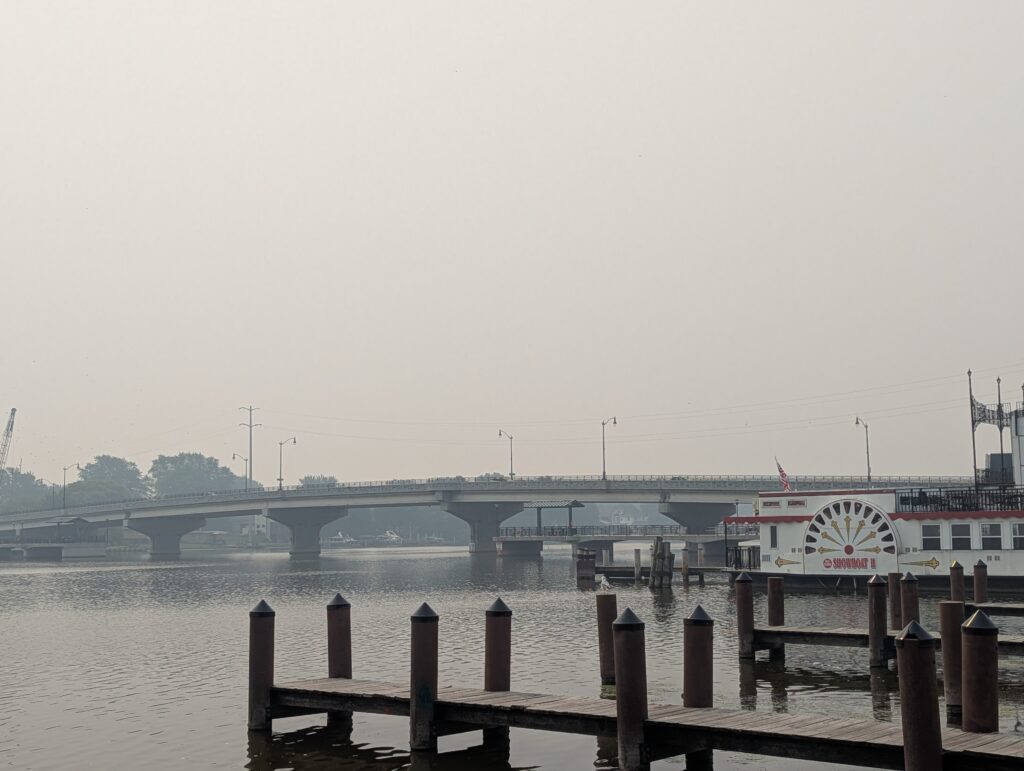
Several factors can cause air quality issues in Wisconsin. One of the primary sources of pollution stems from industrial activities, with emissions from factories, power plants, and refineries releasing various pollutants into the atmosphere. Additionally, the high volume of vehicle traffic in urban areas, especially during rush hours, releases harmful pollutants such as nitrogen oxides and volatile organic compounds.
Agricultural practices, including using fertilizers and pesticides, also contribute to air pollution by releasing of ammonia and other chemicals. Natural events like wildfires and seasonal changes can also amplify air quality concerns. In recent years, recurring wildfire smoke from Canada and other regions has increasingly impacted Wisconsin’s air quality during certain times of the year. These seasonal smoke events have become more common and can significantly reduce outdoor and indoor air quality.
These combined factors create a complex web of pollutants that impact Wisconsin’s air quality, necessitating proactive measures to mitigate their effects on public health and the environment.
Air Quality and Allergies in Wisconsin
As Wisconsin residents have experienced these past few years, air quality plays a significant role in the prevalence and severity of allergies. Poor air quality, caused by various pollutants and allergens, can worsen allergy symptoms and respiratory conditions for vulnerable individuals.
Seasonal allergens, such as pollen from trees, grasses, and ragweed, are common in spring, summer, and fall. Air pollution can act as an irritant, aggravating respiratory systems and making it even harder for allergy sufferers to breathe comfortably.
Children, the elderly, and those with pre-existing respiratory conditions, such as asthma and chronic obstructive pulmonary disease (COPD), are impacted by poor air quality the most. If you or a loved one who suffers from allergies is looking for some relief, the first step is to understand and address air quality concerns, so you can create a healthier and more comfortable living environment.
Precautions for People With Allergies
Being proactive inmanaging allergy symptoms is crucial to maintaining a better quality of life.
1. Set Pollen and Air Quality Alerts
Stay informed about pollen forecasts and air quality levels by signing up for email or text alerts. This can help you plan your outdoor activities wisely. On days when pollen counts are high, it’s best to limit outdoor exposure, especially during peak pollen hours in the early morning and late afternoon.
2. Wear Sunglasses and a Hat
Sunglasses protect your eyes from pollen, and a wide-brimmed hat can minimize pollen contact with your hair and face. Additionally, keeping your windows and doors closed during high pollen seasons can help create a pollen-free sanctuary indoors.
3. Invest in the Right Indoor Cleaning Supplies and Tools
Clean and dust your home often, use good air filters, and consider using an air purifier to reduce indoor allergens. Changing your clothes and showering after spending time outside can wash away any pollen that may have landed on your skin and clothing.
Martens Heating and Cooling—Professional Air Quality Solutions
Martens Heating and Cooling provides professional indoor air quality solutions designed specifically for Wisconsin homes. Whether you’re dealing with allergy flare-ups, wildfire smoke, or general indoor pollutants, our team can recommend filtration, purification, and humidity solutions tailored to your space. Our air quality services effectively remove pollutants, allergens, and contaminants, ensuring a fresher and cleaner living space.
Additionally, Martens Heating and Cooling offers high-quality air filters that trap airborne particles, improving the overall indoor air quality. Our team of skilled HVAC professionals is equipped to ensure the best indoor air quality for your home or business.
Call the Air Conditioning Experts at Martens Heating and Cooling Today!
“Jason was so helpful, we wouldn’t trust anyone else- he is truly the best!” — Tawnie W.
If you have any other air quality questions or maintenance concerns, call the service team at Martens Heating and Cooling today. Our technicians travel throughout the Fox Cities area, including Appleton, Berlin, Menasha, Neenah, Oshkosh, Ripon, and Winneconne.
Call us today!
Frequently Asked Questions About Wisconsin Air Quality
Why does Wisconsin have poor air quality at times?
Air quality in Wisconsin can decline due to industrial emissions, vehicle traffic, agricultural activity, pollen levels, and seasonal wildfire smoke drifting into the region.
Does poor outdoor air quality affect indoor air?
Yes. Outdoor pollutants can enter your home through ventilation systems, open doors and windows, and small air leaks. Without proper filtration, those particles can circulate indoors.
How can I improve indoor air quality in Wisconsin?
Upgrading HVAC filters, installing air purification systems, managing humidity levels, and scheduling regular HVAC maintenance can all significantly improve indoor air quality.
Is it safe to run my HVAC system during poor air quality days?
Yes! In fact, running your HVAC system with high-quality filtration can help reduce indoor pollutant levels when outdoor air quality is low.